New Kids on the Block

(This story originally appeared in the September 2021 edition of Yankees Magazine.)

For months, the Yankees said that they weren’t too right-handed. Then they went out at the trade deadline and added left-handed batters Joey Gallo and Anthony Rizzo. That’s baseball, Suzyn.

Obviously, the team had a lineup balance issue, and it’s to general manager Brian Cashman’s credit that he was able to address it without doing too much damage to the top levels of the team’s farm system. Neither Gallo nor Rizzo ended up being the difference makers the Yankees needed to make a deep run in the postseason, but both were worthy additions to the team’s lineup, and while Rizzo heads into the offseason as a free agent, Gallo should get another run with the Bombers in 2022, giving him a chance to go to town on the stands in right field.

To me, though, the best thing about this story is something that is barely mentioned inside, but that I hope comes through. The interviews for this piece were the first that I did in person since spring training of 2020. I had long conversations with both Rizzo and Gallo in the dugout at Yankee Stadium, and it was amazing to remember just how different it is to get to speak to your interview subject one-on-one, face-to-face, as opposed to doing it on Zoom. Things like body language, follow-ups, shared small laughs — I think they make a huge difference in the storytelling process. I hope that it came through in the piece.

https://www.mlb.com/news/yankees-magazine-anthony-rizzo-joey-gallo-usher-in-new-season

No Place Like Home

(This story originally appeared in the June 2019 edition of Yankees Magazine.)

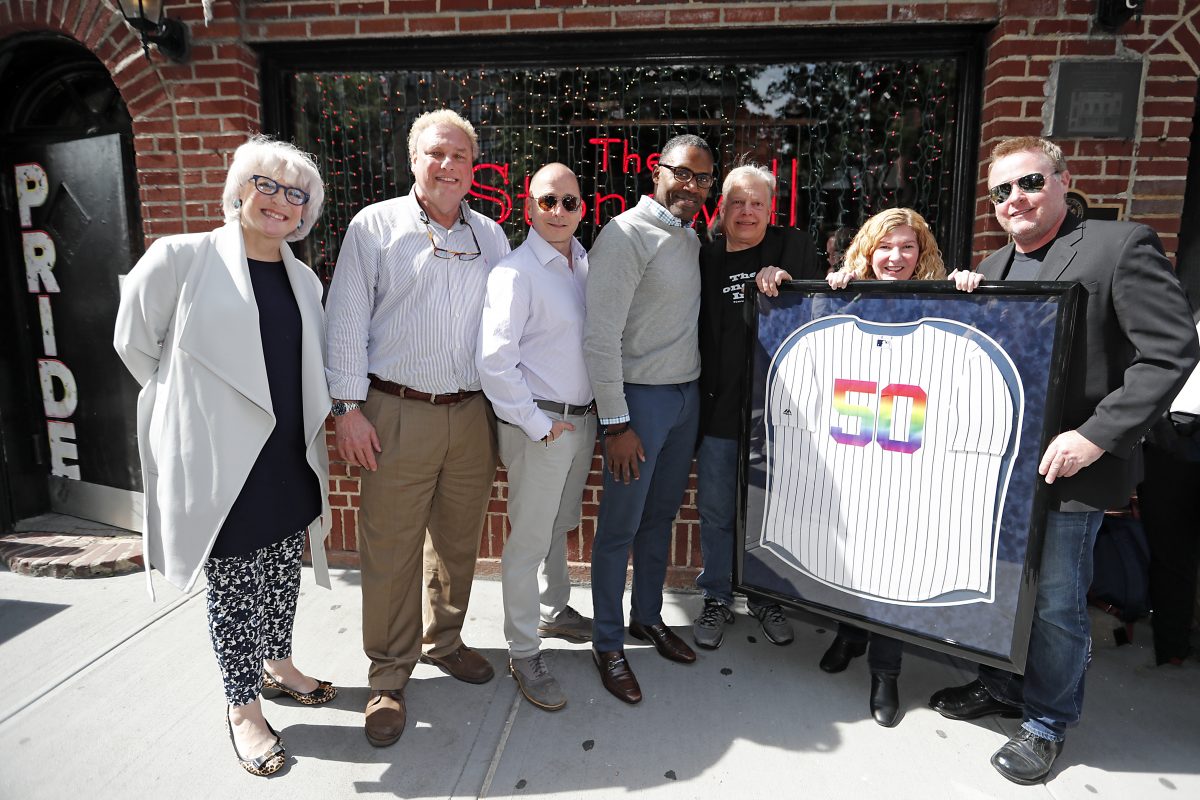
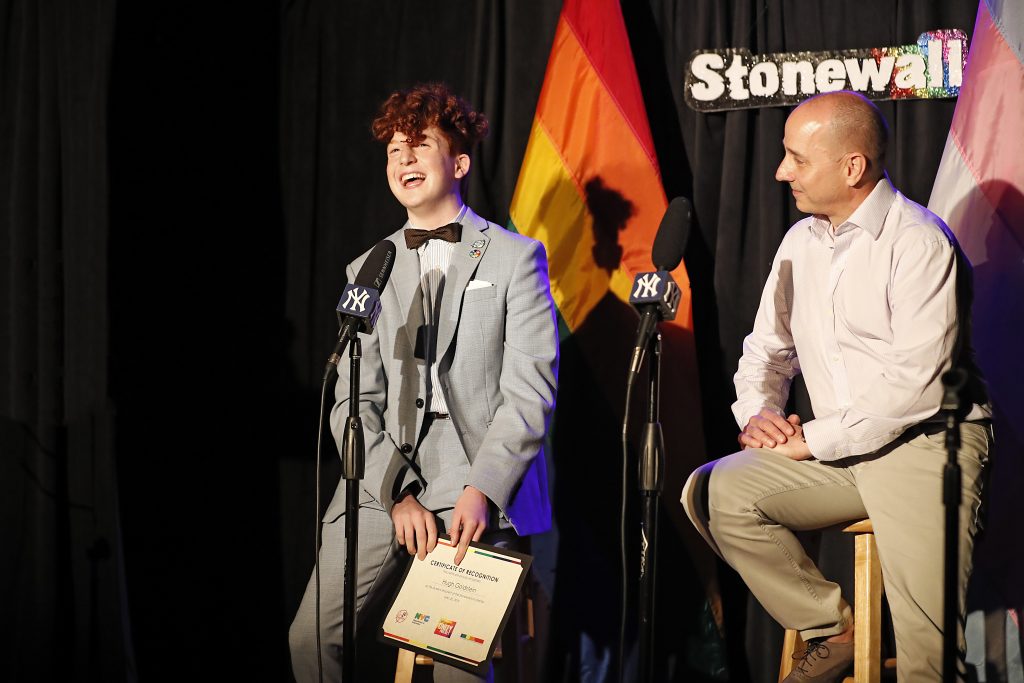
There are times that working for a team publication can be a bit of a drag, but then there are projects like this one, which I still can’t believe happened. The Yankees made a big push this year to honor the 50th anniversary of the Stonewall Riots, and they put together what was a remarkable initiative, encompassing education, advocacy and exposure.

In creating the Yankees-Stonewall Scholars program, the legendary sports franchise and the historic, iconic bar, became unlikely partners, a phenomenon I explore in this story. It’s hard to think back to just how unlikely it would have seemed in 1969 to see the Yankees helping the LGBTQ community. Not that there was specific hostility, neither intentional nor explicitly directed. Just that, as Martin Boyce explains in the story, Yankee Stadium was the place where “Our dads would take us, because they were training us to be straight.”

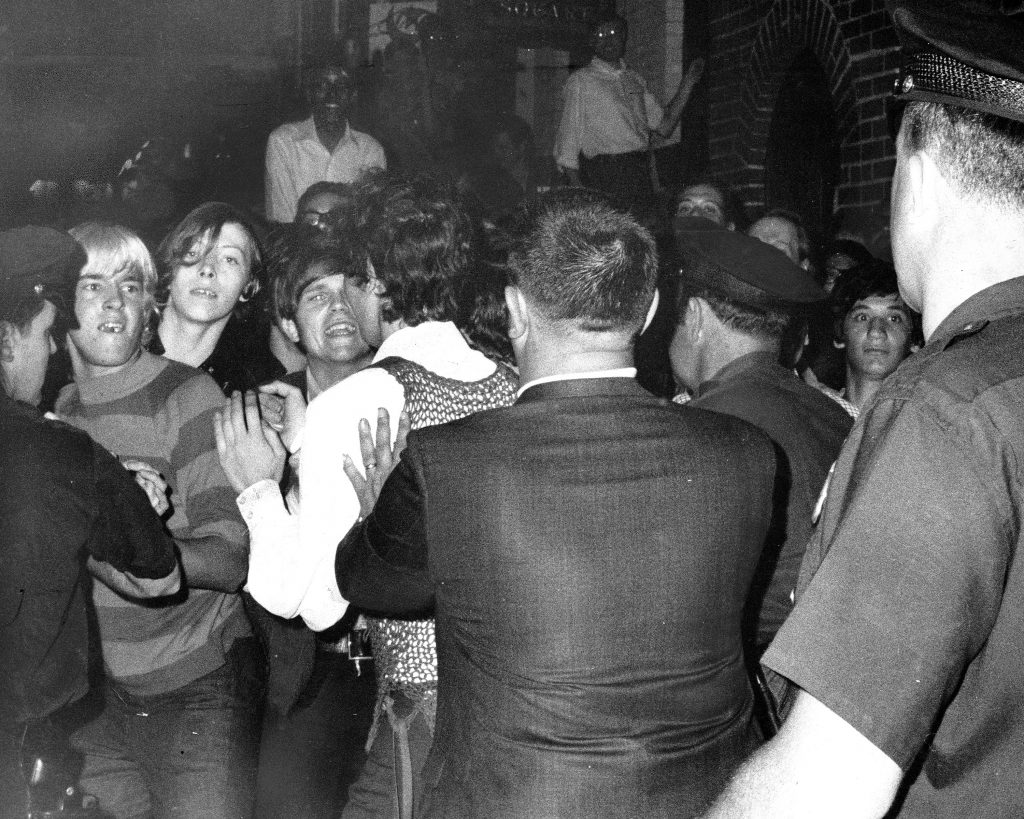
UNITED STATES – JUNE 28: Stonewall Inn nightclub raid. Crowd attempts to impede police arrests outside the Stonewall Inn on Christopher Street in Greenwich Village. (Photo by NY Daily News Archive via Getty Images)

I’m proud of the research that went into this story, the months that I spent learning all about Stonewall, talking to people who were there, meeting with advocates in the community and even talking to Yankees players and staff about their own views of the initiative. To meet the first five winners, this extraordinary collection of students who are going to change the world, was an experience that I’ll keep close forever.

But mostly, I’m proud that the Yankees did this. I know that there are always cynics who will say that they did it to sell tickets or to nod in the direction of progress, but this was real, it was meaningful and it was organic. I saw it, nearly every step of the way. This was the highest levels of the organization — ownership and executives — working to create something that will last. Brian Cashman and his top assistant Jean Afterman participated in all of the interviews to select the winners. That’s remarkable.

And I’m proud that fans at the ballpark in June who wanted to keep score saw this story in their gameday program. I hope that you’ll read it.

https://www.mlb.com/news/yankees-stonewall-scholars-lgbtq-inclusivity

End Game

(This story originally appeared in the September 2018 edition of Yankees Magazine.)

As the 2018 trade deadline approached, it seems that the Yankees were in desperate need of a starting pitcher. So general manager Brian Cashman went out and acquired one of the best … relief pitchers? … on the market? On the surface it made little sense. But baseball is changing, and all you need to do is look at the ways that the Oakland A’s and Tampa Bay Rays approached this year to see it. And sure, the Yankees are playing their part, too.

Starting pitchers are throwing fewer innings than ever, and since the game is still nine innings long, that means that managers and pitching coaches are being forced to rely on relievers more than ever before. So in Zach Britton, Cashman added a fourth elite closer to the Yankees’ bullpen, joining Aroldis Chapman, Dellin Betances and David Robertson.

For this story, I tried to introduce Britton to Yankees fans, while also looking at what the acquisition can tell us about the new team-building philosophies at play. I had never interviewed Britton before this, and we had a really fun chat. He’s incredibly honest and thoughtful in his answers. A highlight for me was when we talked a lot about all of the high-leverage situations he would face in his hybrid role on the Yankees’ roster. An experienced closer who wouldn’t be doing much ninth-inning work, he was excited about the change, anxious to add a new club to his bag. Britton is enough of a student of the game (in particular, of the ways that former Yankee Andrew Miller has thrived in a unique bullpen role) to know that the idea of the ninth inning being where all the money is made doesn’t really make sense anymore.

But at the same time, he admitted that he couldn’t really explain why it was still important to him, why he still expected that when he enters free agency after the 2018 season, he expects to find a job closing again. He was almost treating it like a thought experiment, brainstorming responses. “I have the American League record for consecutive saves,” he told me, more thinking out loud than anything else. It turns out, the game might be changing faster than even the players can comprehend (for more on this, ask Greg Bird about the shift. Then back away slowly).

I think it’s going to be fascinating to see how all of this develops in the coming years. In the meantime, I hope you’ll check out this story.

https://www.mlb.com/yankees/news/britton-trade-added-to-yankees-deep-bullpen/c-294600990?tid=163658034

Master Craftsman

(This story originally appeared in the August 2018 issue of Yankees Magazine.)

I hope I’m wrong when I say this, but I’m not sure I’ll ever get to work on a more interesting reporting project. I had been circling something like this for a while, hanging out with a minor league roving instructor as he moved from town to town coaching different players. Between the Drew Henson scouting story that I wrote in 2016 and my feature last year about Donny Sands learning how to play catcher, I’ve long been fascinated by the people behind the scenes, the ones who help the players develop into major leaguers.

When I started asking around the Yankees front office, a bunch of people pointed me toward Danny Borrell, one of the team’s two pitching coordinators. I had never met Danny, had never heard of him, and didn’t really know what to expect. But he was open to the story from the start, and agreed to let me tag along on two trips — Staten Island and Pulaski.

The night before we started, he emailed me to say that he was actually going to be in Charleston instead of Pulaski, that something really big was happening. Normally, when big things happen around the team, we’re told to stay away. This was a rare case when I was being told that something huge was happening, and that I should make sure I was there for it. It was a no-brainer. 

He wouldn’t tell me what the big news was until after it happened, so we spent the first few days just watching the way he interacted with all the young minor leaguers — Short-Season A-ballers in Staten Island, then Low-A players in Charleston. It was fascinating. Danny would strap on catching gear and catch all the bullpens (despite being A: left-handed; and B: a former pitcher). He just has the most positive way about him, always laughing, joking, teaching. The best thing about writing minor league stories is that you really get total access. I have never stepped in the bullpen at Yankee Stadium, but while I was following Danny around, I was basically standing next to the pitchers as they were doing their workouts. It was awesome.

Danny let me hang out in meetings, he let me stand over his shoulder as he watched video with players, he let me stay next to him while he watched the games. The only time he told me he needed me to stay away for a few minutes was when they had the big meeting. As it turned out, they were taking Dermis Garcia — a pretty substantial prospect in Charleston — and letting him try to pitch. Garcia has never pitched, but his arm from third base was incredible, and Borrell had long been pining to get him onto a mound. And after Brian Cashman and his team spent time in the offseason pursuing Shohei Ohtani, they were encouraged enough by the idea of a two-way player to see if Garcia might have the chops to handle it. So they presented it to him, he enthusiastically accepted, and the next day, we stood right along the bullpen as Garcia threw off a mound for the first time in his life.

This story was an absolute joy to write, everything I could have hoped for and more. I don’t think I’ll ever have access like this again. I’m happy with how it came out.

https://www.mlb.com/news/danny-borrell-molds-yankees-young-pitchers/c-287603796

Confidence Man

(Story originally appeared in the Derek Jeter Commemorative Edition of Yankees Magazine)

When Derek Jeter announced his retirement before the 2014 season, we knew that we needed to do something extra special to celebrate his career, so we put together a special edition of the magazine, looking back on the Captain’s entire career. It was an awesome project, with so much awesome material that we were able to unearth. We reran a bunch of old Yankees Magazine content and supplemented it with some great original pieces.

Obviously, there are only so many different ways to talk about Jeter on the field, particularly when you’re a house organ like Yankees Magazine. So it was really important to me that I find something a bit off-beat. I had always been intrigued by the story of Dick Groch, the scout who signed Jeter. The main is famous — trying to alleviate the concern in the Yankees’ war room that they were going to use the 6th pick in the Draft on a player who would spurn them to go play college ball at Michigan, Groch, the legend has it, insisted:

“He’s not going to the University of Michigan. The only place Derek Jeter is going is Cooperstown.”

That’s a lot of confidence, and as Groch says in the article, if he had been wrong, he probably wouldn’t have lasted much longer in the industry. But the belief paid off. Jeter became a generational player, a certain Hall of Famer and one of the most beloved Yankees of all time. Not a bad scouting job.

Here’s my attempt at putting Groch’s whole story together. Hope you’ll enjoy.

http://m.mlb.com/news/article/229038088/dick-groch-scouted-jeter-for-cooperstown-in-92/

The Future Has Arrived

(Story originally published in the September 2016 edition of Yankees Magazine)

When Yankees general manager Brian Cashman got to show off some new muscles at the 2016 trade deadline, it was a landmark moment for the franchise. The Yankees — and Yankees fans, it was thought — simply wouldn’t accept rebuilding. Would they?

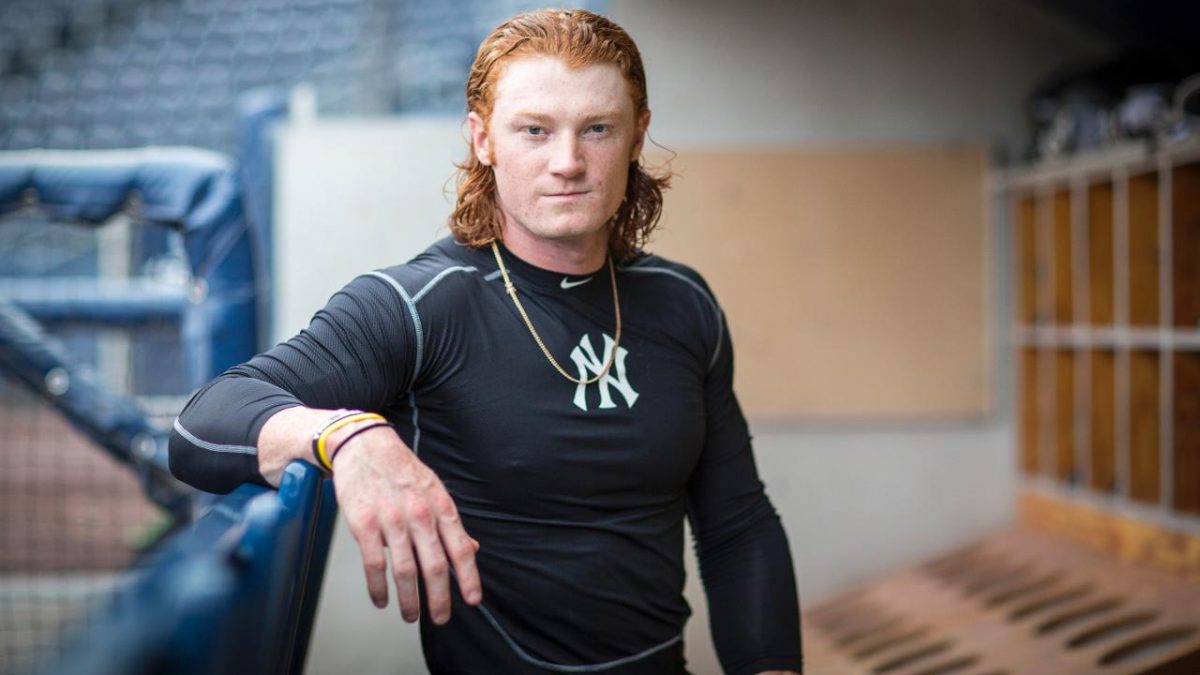
It turns out that they would — as long as Cashman nailed all the deals. And he did that, and more, rebuilding a farm system into one of the league’s best (in the offseason after the rebuild, MLB.com would rank the Yankees’ system the second-best in baseball). The club acquired Gleyber Torres and Clint Frazier as the new organizational cornerstones, but the rest of the players who came over — guys like Justus Sheffield, Ben Heller, J.P. Feyereisen, Dillon Tate, Billy McKinney, and a slew of others, as well — have fans in the Bronx hopeful for the future. Some will arrive sooner than others, but it should be interesting to see develop.

Soon after the deadline, Cashman and his top deputy, Jean Afterman, walked me through all the chaos of the day of the deadline, the way that the last-minute deals went down. I always wanted to get to see how the pieces all moved, how tight things got, what rumors were true. They really gave me the full run-down, and I tried to recreate that in the story.

I hope you’ll enjoy.

http://m.mlb.com/news/article/199119640/yankees-use-trade-deadline-to-rebuild/

Bit by Bit, Putting it Together

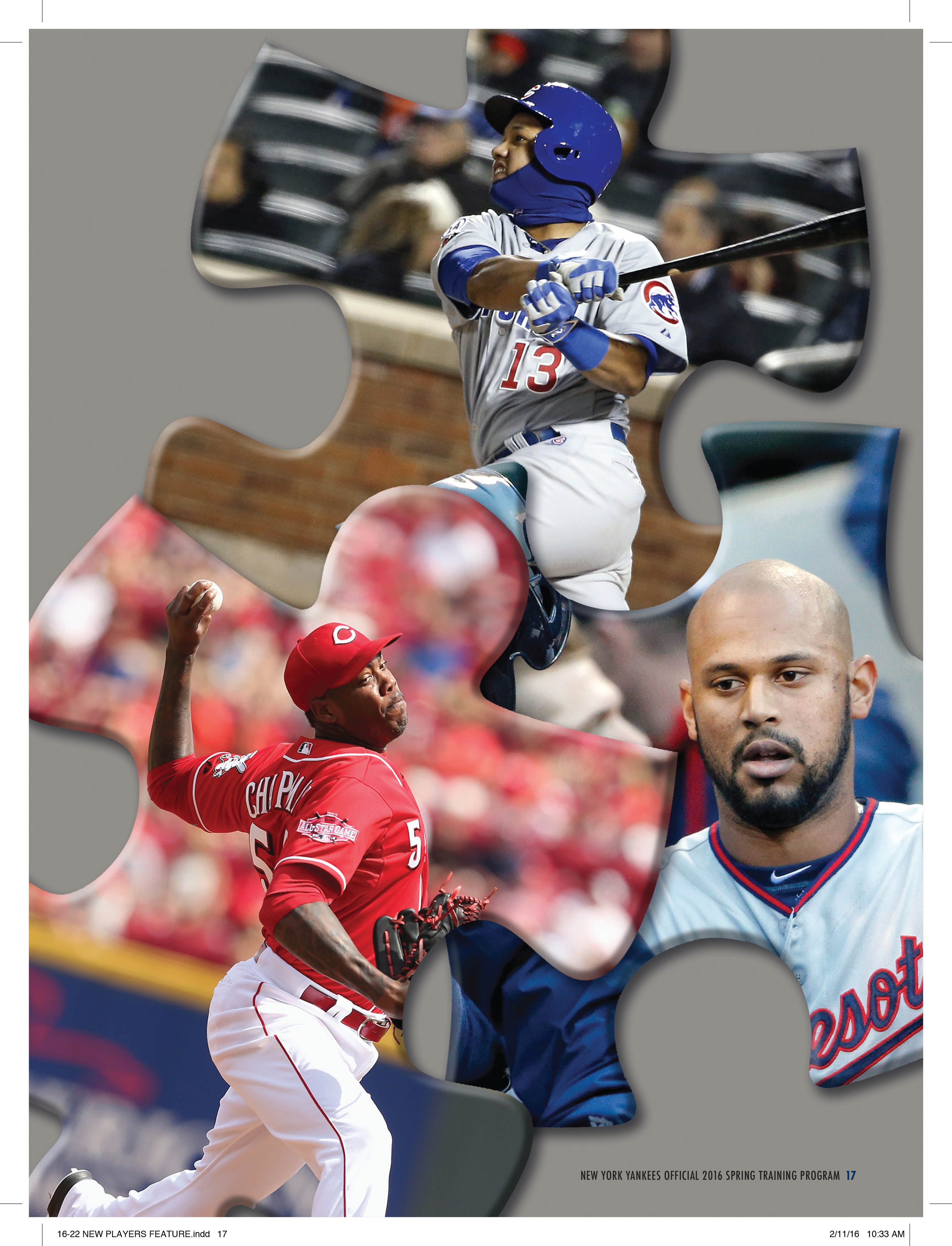
For the 2016 Yankees Yearbook (and the Spring Training issue of our magazine), I was assigned to write about the Yankees’ offseason acquisitions. About a decade ago — even less, really, when you consider some recent offseasons like 2008-09 and 2013-14 — it would have seemed crazy to think of how uneventful the past few months were in the Yankees front office. For the first time since free agency began, the club didn’t sign a single player to a major league offer.

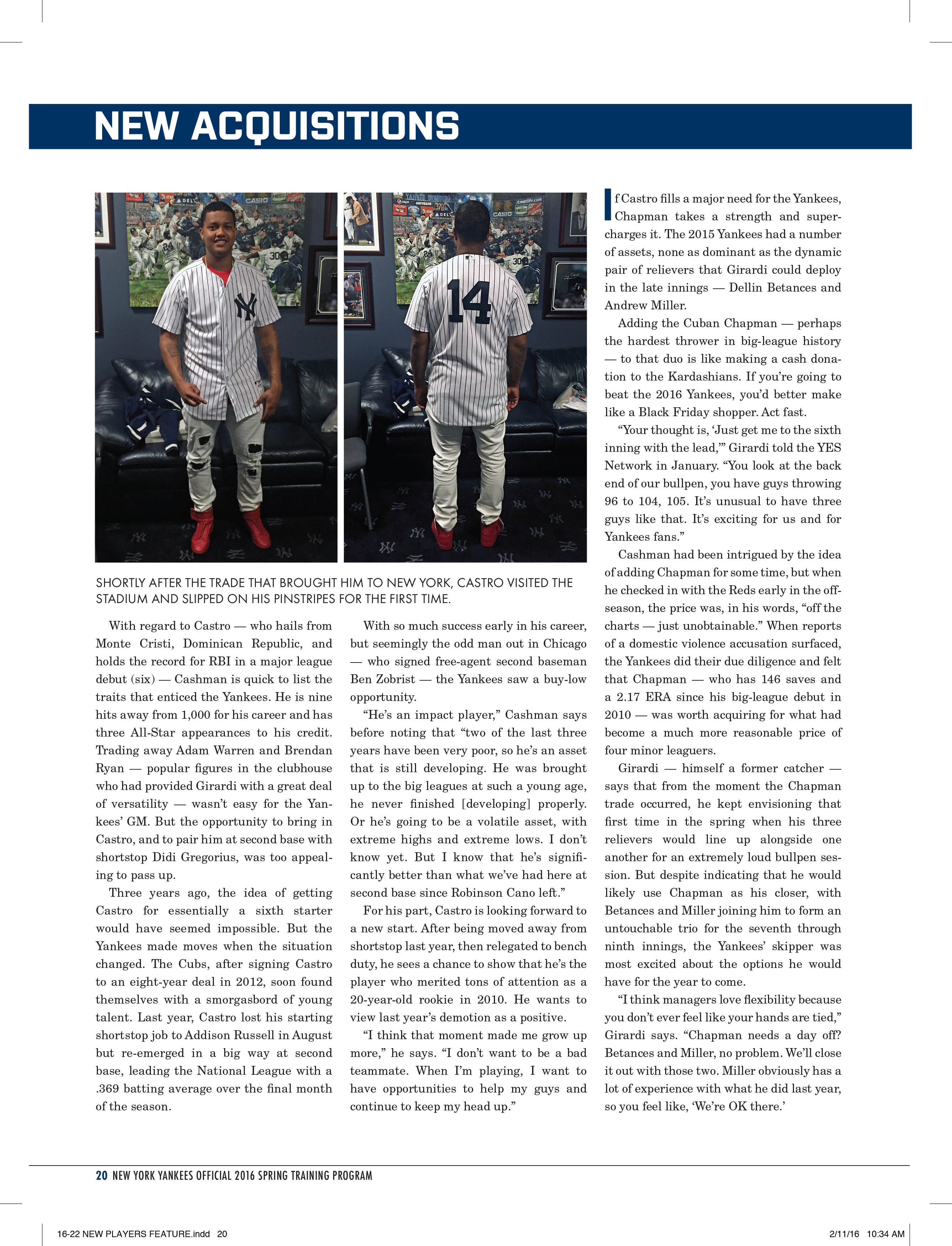
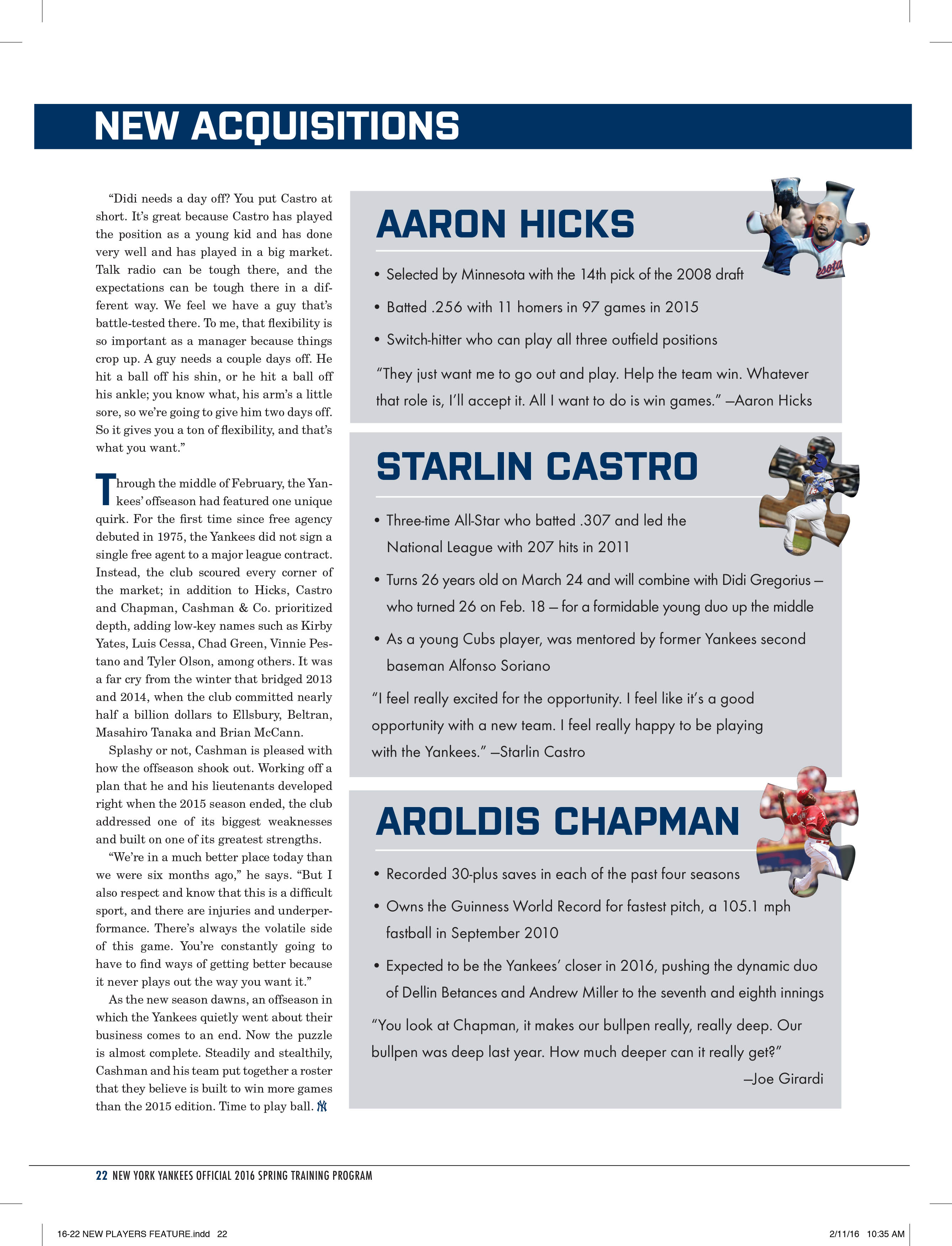
As such, putting the story together was a bit more challenging than I would have originally thought. How much was there to say about adding a fourth outfielder in Aaron Hicks, a castoff middle infielder in Starlin Castro, and a closer facing discipline for domestic abuse in Aroldis Chapman.

Obviously, there’s no way to write about the Yankees’ offseason in a way that makes it seem like the club signed David Price and Jason Heyward. But in talking to people around the office, I got to understand some of the philosophical foundation on which the offseason was built. I think the story that resulted was a compelling look at a quiet — but possibly quite impactful — few months.